Tooth loss can affect more than just a smile. It can change how a person eats, speaks, and feels about their appearance. Modern dentistry offers several solutions, but one of the most reliable and long-lasting options is dental implants. Understanding how the implant process works can help patients feel more confident and prepared when considering this treatment.
Dental implants are designed to replace missing teeth from the root up, creating a stable and natural-looking result. Unlike removable options, implants are placed directly into the jawbone, where they function much like natural tooth roots. This foundation allows replacement teeth to stay firmly in place while supporting overall oral health.
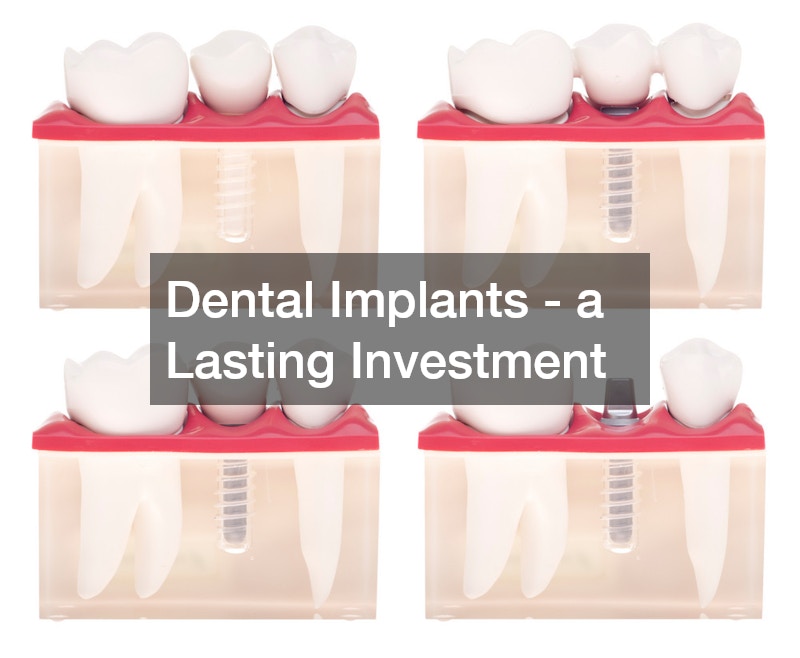
A dental implant typically has three main parts. The first is the implant post, usually made of titanium, which is surgically placed into the jawbone. Titanium is commonly used because it bonds well with bone and is well tolerated by the body. The second component is the abutment, which connects the implant post to the replacement tooth. The final piece is the crown, a custom-made tooth designed to match the surrounding teeth in shape and color. Together, these parts create a durable replacement that looks and functions like a natural tooth. The strength of the implant system allows patients to chew comfortably and maintain a confident smile, while also helping to preserve jawbone structure and overall oral health.
The implant process begins with a detailed consultation. During this visit, the dental provider reviews the patient’s oral health, medical history, and bone structure. X-rays or digital scans are often taken to assess the condition of the jawbone and determine whether it can support an implant. If bone loss is present, additional procedures, such as bone grafting, may be recommended before proceeding. Careful planning ensures that the implant is placed in the correct position for long-term success and proper alignment with surrounding teeth.
Healing times can vary depending on the patient’s health and the location of the implant. While the jawbone integrates with the implant, patients may be given a temporary crown or other provisional restoration. This helps maintain appearance and function during the healing period.
Regular follow-up appointments allow the dental team to monitor progress and ensure the implant site is healing properly. Patience during this phase is important, as rushing the process can compromise the final outcome. Once the implant has fully bonded with the bone, the next step is attaching the abutment. This small connector extends above the gum line and serves as the base for the crown. After the gums heal around the abutment, impressions are taken to create the final crown.
The crown is custom-designed to blend seamlessly with the surrounding teeth. When placed, it restores both function and appearance, completing the implant process. At this stage, Dental Implants allow patients to eat, speak, and smile with confidence. Beyond appearance, implants offer important health benefits. Because they stimulate the jawbone, they help prevent bone loss that often occurs after tooth loss. This support maintains facial structure and helps keep neighboring teeth from shifting out of place.
Implants are also known for their durability. With proper care, they can last for many years, making them a long-term solution compared to other tooth replacement options. Daily brushing, flossing, and regular dental visits are key to maintaining implant health. Many adults with missing teeth are candidates for implants, but overall health plays an important role. Healthy gums and adequate bone structure are essential. Conditions such as uncontrolled diabetes or certain medications may affect healing, so a thorough evaluation is necessary. A personalized treatment plan helps determine whether Dental Implants are the right option for an individual’s needs and goals, and outlines the steps, timeline, and expectations for a successful outcome.
Caring for dental implants is similar to caring for natural teeth. Good oral hygiene and routine checkups help prevent complications such as gum inflammation. While implants are resistant to decay, the surrounding tissues still need attention to stay healthy.
Understanding how the implant procedure works can ease uncertainty and set realistic expectations. From planning and placement to healing and restoration, each step plays an important role in achieving a successful outcome. For many patients, dental implants represent a lasting investment in comfort, function, and confidence.

Related Posts

Tooth Extraction in Greenfield WI Safe, Comfortable Care When You Need It
Dental Implants in Santa Monica A Long-Lasting Solution for Missing Teeth