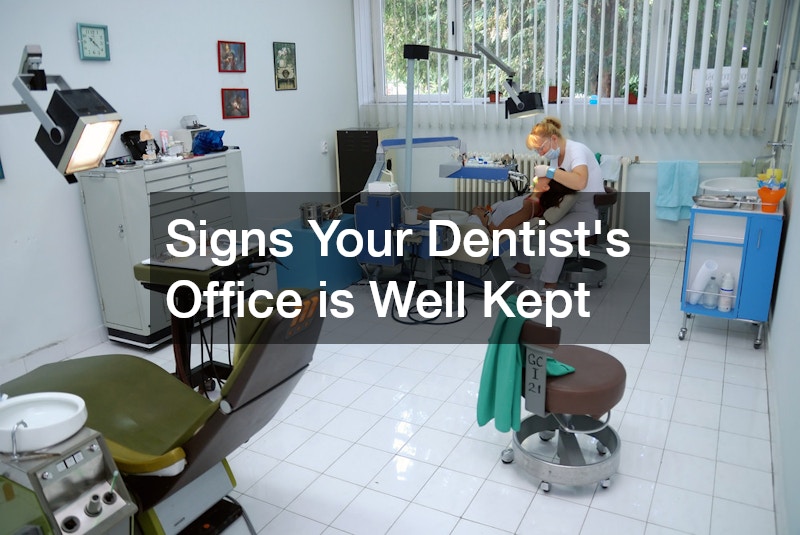
Selecting a dental practice is a decision that extends far beyond evaluating a practitioner’s bedside manner or reviewing local internet testimonials. A dental clinic is a high-stakes medical facility where invasive surgical procedures, microscopic diagnostic imaging, and complex infection-control loops occur simultaneously every single day. For patients seeking a long-term oral healthcare home, the physical environment of the practice serves as a direct, unyielding mirror of the team’s underlying clinical philosophy, technical precision, and commitment to public health.
When a dental office drops its guard regarding facility upkeep, it does not merely compromise the visual aesthetics of the workspace; it introduces severe public health vulnerabilities, degrades patient trust, and raises valid questions about its adherence to modern sterilization standards. Conversely, a truly elite practice treats facility maintenance as an absolute extension of its diagnostic and surgical workflows. Every square foot of an institutional clinic, from the baseline airflow metrics in the reception lobby to the chemical density of the surfaces inside the treatment bays, must reflect meticulous, predictive care. This guide provides a comprehensive framework to help you analyze dental environments, audit sterilization transparency, evaluate administrative efficiency, and choose a practice that protects your health.
Furthermore, this clinical vigilance is paramount because an improperly maintained dental environment poses real risks of healthcare-associated infections (HAIs). When biofilm arrays clog water lines or cross-contamination protocols fail on high-friction operatory surfaces, the path to pathogen transmission is wide open. For patients, navigating a dental clinic shouldn’t require blind faith; it demands a practiced eye for concrete environmental markers. By looking beyond superficial design choices and examining the strict structural workflows of the practice, you can accurately gauge if a team approaches your biological safety with the absolute technical precision your health deserves.
Evaluating Waiting Room Sanitization and First Impressions
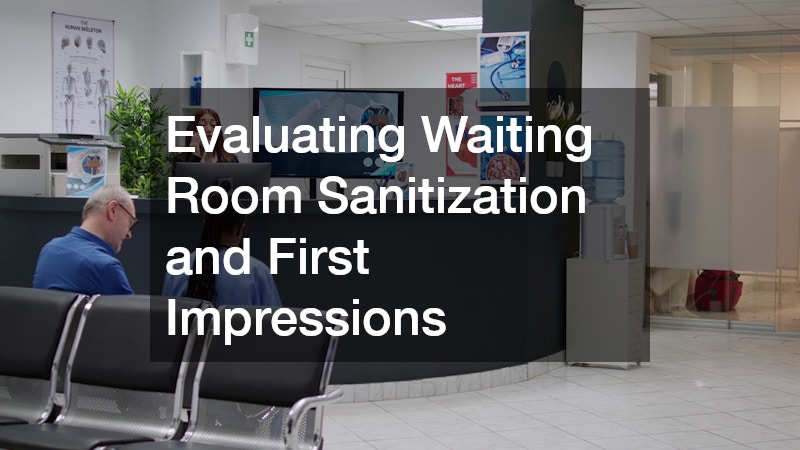
The front reception area and waiting room of a dental clinic act as the critical buffer zone between the external world and the sterile clinical environment. While this space is designed to put anxious patients at ease, it is also a high-friction communal zone that experiences a continuous influx of foot traffic, outside airborne particulates, and variable biological vectors. If a practice allows its waiting lounge to become cluttered or neglected, it reveals a fundamental weakness in its facility management program.
When evaluating a reception zone, look past basic architectural styles to analyze the underlying cleanliness of the environment. A well-maintained office recognizes that simple dusting is entirely inadequate for a medical infrastructure, ensuring the facility contracts with commercial office cleaning services to systematically disinfect upholstery fabric, wipe down check-in kiosks, and treat high-traffic flooring surfaces with hospital-grade sanitizers. Furthermore, the physical condition of the walls and baseboards speaks volumes about the practice’s attention to detail. An institutional space should look fresh and entirely free of scuff marks, chipping drywall, or water stains, indicating the office routinely retains a professional interior painting service to apply low-VOC, antimicrobial coatings that can withstand aggressive chemical washdowns without degrading or peeling over time.
- Check for dust accumulation on complex surfaces: Examine light fixtures, ceiling fan blades, baseboard registers, and electronic monitors; a complete absence of dust across these secondary structures proves a thorough cleaning regimen.
- Audit the children’s play zones and literature arrays: Ensure that any shared children’s toys are constructed from non-porous, easily sanitizable hard plastics rather than porous fabrics, and verify that magazine piles are replaced with clean, digital alternatives.
- Observe the condition of entry doors and glass panels: Clear glass and pristine door hardware prove that the staff continuously wipes down high-friction touchpoints between morning and afternoon appointment tracks.
Analyzing Operatory Material Selections and Surface Integrity
Moving from the reception lobby into the active clinical operatory exposes a patient to the primary treatment envelope. Within these treatment rooms, clinicians manipulate fluids, operate aerosol-generating handpieces, and handle sterile instrumentation. Because dental procedures naturally generate microscopic aerosol sprays, the physical elements selected to construct the treatment room cabinets and workspaces must be entirely non-porous, perfectly sealed, and completely resistant to chemical corrosion.
A modern, highly disciplined treatment bay will completely reject cheap, porous wood laminates or tiled counter surfaces featuring deep grout lines, as these structural seams rapidly catch moisture, biological fluid traces, and bacterial biofilms. Instead, elite medical facilities prioritize seamless, highly dense granite countertops or solid-surface engineered quartz to ensure that every workspace can be completely wiped clean with aggressive virucidal chemicals between patient rotations without fracturing the stone matrix. This commitment to physical excellence directly matches the rigorous academic standards of the clinical operators working within the space. A well-kept office proudly showcases the formal training and professional lineage of its practitioners, displaying framed board certifications and university diplomas confirming that the clinician completed a top-tier doctoral degree program in dental medicine from an accredited institution, ensuring total alignment with modern evidence-based safety parameters.
- Examine cabinetry joints and wall intersections: Ensure that all backsplashes and cabinetry lines are completely sealed with medical-grade, anti-fungal silicone caulk to prevent fluids from seeping behind the structure.
- Verify framed credential sanitization: Look to see if practitioner diplomas are framed behind sealed, wipeable glass surfaces rather than exposed paper matting, allowing the frames to be disinfected alongside clinical tools.
- Observe the condition of operator seating pads: The high-density vinyl or polyurethane leather coverings on the clinician’s stools and the patient chair must be entirely free of cracks, tears, or exposed foam, which can trap bloodborne pathogens.
Auditing Sterilization Hardware and Treatment Room Safety
At the absolute center of consumer clinical safety sits the multi-stage instrument sterilization loop. Every mirror, scaler, explorer, and surgical handpiece utilized during an oral healthcare evaluation must undergo a rigorous, multi-tiered decontamination process that completely eradicates viral, bacterial, and fungal spores prior to contacting a secondary patient’s mucosal tissue.
When you sit down at a family dentists room, you should be able to clearly see the active state of the practice’s clinical instrumentation. An organized clinic never sources its primary clinical devices or infection barrier plastics from unverified online liquidation channels or general retailers; instead, they purchase their supplies exclusively from fully authorized, licensed medical equipment stores to guarantee total material compliance and traceability. Having a highly structured, reliable supply chain allows experienced family dentists to deliver flawless routine checkups, advanced root canal therapies, and preventative pediatric seals within a completely sterile field, providing patients with total protection against cross-contamination.
- Watch for sterilization indicator strips: Observe if the dental practitioner opens your individual instrument cassette from a completely sealed pouch containing color-coded indicators that prove the pack successfully passed through a high-temperature autoclave cycle.
- Inspect clinical handpiece integrity: Verify that all high-speed drills and water syringes are clean, polished, and free of mineral scaling or rust deposits, which can impede mechanical performance and trap biological materials.
- Check automated diagnostic calibration tags: Look for highly visible calibration labels or validation stickers affixed to autoclaves, digital X-ray arms, and intraoral scanning machines, showing that the equipment undergoes certified inspections.
Evaluating Advanced Surgical Zones and Prosthetic Lab Organization
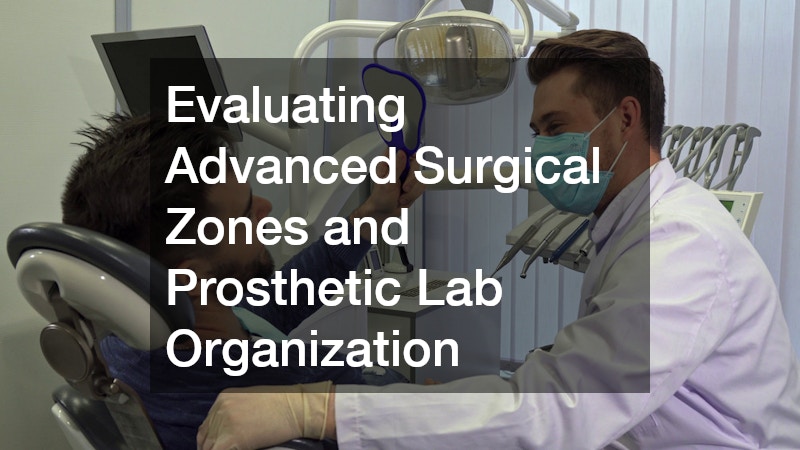
When a dental clinic expands its operational capacity to handle invasive surgical therapies and on-site prosthetic fabrications, its internal environmental safety protocols must elevate accordingly. Surgical procedures, such as the placement of root-form titanium implants, deep jawbone grafting, or complex structural tissue extractions, require a clinical field that matches the strict containment parameters of a hospital operating theater.
If a patient requires advanced tissue modifications, they should note the specific environmental configurations deployed within the specialty suite. A board-certified dental surgeon will operate inside a dedicated surgical bay featuring localized HEPA air-turnover systems, specialized sterile draping arrays, and complete isolation of surgical tools away from general family operatory channels. This high level of organization must also extend into the internal laboratory spaces where customized oral appliances are modified, polished, and stored. When managing the fabrication or adaptation of precision crowns, retainers, and high-quality dentures, the laboratory workspace must maintain strict isolation protocols, utilizing automated dust extractors and chemical sterilization baths to guarantee that dental prosthetics never transport biological materials between the lab bench and the patient’s oral cavity.
- Verify closed-circuit surgical irrigation lines: Ensure that all advanced surgical handpieces utilize sterile, closed-circuit saline or distilled water bags rather than drawing standard municipal tap water through the building’s lines.
- Observe technician protective barriers: Confirm that internal lab technicians wear heavy-duty face shields, dedicated fluid-resistant gowns, and high-filtration masks when running grinding wheels or polishing prosthetic elements.
- Audit lab inventory storage systems: Check to see that customized prosthetic appliances are stored in individual, clearly labeled, non-porous containers rather than being left loosely stacked on open workbench surfaces.
Gauging Administrative Efficiency and External Logistical Flow

While clinical sterilization loops and surgical cleanliness represent the primary shields protecting patient health, the administrative and billing departments of a dental clinic provide a powerful indicator of the practice’s overall operational discipline. A business that tolerates chaos, paperwork clutter, and unorganized logistics at the front desk is highly likely to manage its background clinical environments with a similar level of negligence.
An exceptional dental facility will showcase a total digital transformation across its entire administrative network. The implementation of chartless, fully encrypted, cloud-based data management portals completely eliminates traditional front-desk paper clutter, safeguarding sensitive medical history under strict HIPAA guidelines. This streamlined efficiency must also govern how the practice coordinates its external logistics and physical mailing workflows. The front office should neatly manage its tracking sheets, custom lab orders, and physical communications destined for local post offices without creating unorganized, messy paper piles on check-in counters. This structured workflow allows your primary dentist to deliver seamless care transitions, coordinate accurately with your health insurance networks, and ensure that custom ceramic crowns or orthotic appliances arrive perfectly on schedule without administrative gridlock.
- Verify the complete concealment of personal records: Ensure that the patient check-in desk is entirely clear of physical medical charts, sticky notes with patient names, or open computer screens showing sensitive personal information.
- Evaluate the transparency of financial pre-authorizations: The administrative team should provide clear, digitally printed, itemized cost breakdowns and pre-checked insurance estimates before the commencement of any complex clinical treatment plan.
- Assess the precision of appointment timing: A well-kept clinic respects your time, utilizing advanced scheduling algorithms to ensure that the reception lounge remains uncrowded and waiting times rarely exceed ten to fifteen minutes.
Conducting a thorough evaluation of your dentist’s facility upkeep is an essential step in securing premium, worry-free oral healthcare for your family. As detailed throughout this blueprint, an elite dental clinic is never a product of superficial staging or casual cleaning routines; it is a calculated, value-driven asset maintained by dental professionals who view environmental sanitation as an absolute core element of the healing arts. By learning to critically analyze waiting area hygiene, operatory material integrity, advanced sterilization workflows, and administrative logistics, you transition from a passive consumer into an empowered, highly informed patient.
Ultimately, your environmental evaluation serves as the final, definitive validation of a clinical team’s operational integrity. When a practice demonstrates flawless discipline across its visible countertops, hidden fluid lines, and regulated waste systems, it provides unshakeable proof that its internal culture values patient safety above all else. This structural transparency creates a profound sense of mutual trust, stripping away the baseline vulnerability and clinical anxiety so often associated with dental interventions. By holding your healthcare providers to these exact institutional benchmarks, you effectively elevate the standard of care for your entire community, transforming your routine checkups into a confident partnership rooted in uncompromised medical excellence.
As you prepare for your next dental cleaning or oral evaluation, choose to analyze your clinician’s physical property with an assertive eye for detail. Do not overlook persistent dust layers in the corner, unsealed treatment counters, untagged diagnostic machinery, or disorganized front-desk operations. Take immediate action this week to review your current dental care environment: note the condition of the treatment room materials, observe the opening of instrument cassettes, and evaluate the professionalism of the administrative team. By selecting a clinic that treats structural, environmental, and physical cleanliness as an immutable medical requirement today, you fully protect your family from cross-contamination risks and secure a pristine, hyper-optimized dental home where your smile can thrive in absolute safety for many years to come.
